Blog

  • First Anniversary Without Him

    This piece was originally written and posted on Facebook on September 7, 2006.

    It has been exactly 3 months since he left. We would have been celebrating our 12th wedding anniversary today. We would have posted something cheesy here. He would have secretly gone to Hallmark and gotten me a card. I would have forgotten and scrambled to create a homemade one for him. We didn’t ask the Church to bless our marriage. We decided it was the right thing to do—to exercise our right and share our commitment openly and proudly. Love is love.

    He would have been very proud of me this morning. Not because I completed my longest run (22 miles) since the 2018 Boston Marathon, but because I did what he always told me—fuel properly, bring hydration, and be patient. He was always there to protect and guide me, and he still is. He encouraged me to sign up for this year’s MCM. So, yes, I have been training.

    The last 3 months have not been easy, but I am managing, mostly because of all the support (texts, emails, cards, calls, meals, walks, and chats). I know he is grateful that you all take care of me. Of course, I love you for all the love you have showered on me. As much as I try to fill my days, there is still a lot of alone and quiet time. But not to worry. If I am struggling, you will know—I am not shy and will call for help. And yes, I am taking my one and only prescription medication.

  • Thoughts on 2026 NRSS

    I was a little slow to react to the recently published USDOT 2026 National Roadway Safety Strategy (NRSS). Many people have already written about its shortcomings and compared it with the 2022 version. To say that I am disappointed would be an understatement, and I will explain why. First, however, it is important to acknowledge that the goal itself remains worthy: reducing fatalities on our roadways. I especially appreciate the strategy’s emphasis on commercial motor vehicle safety, rural and Tribal communities, and vehicle technology.

    So why am I disappointed?

    My work on speed management and vulnerable road user (like bicyclist) safety at NTSB remains the highlights of my career. I have also spent years advocating for the Safe System Approach. Against that backdrop, I was struck by what appears to be a significant shift in emphasis within the 2026 NRSS. The words “speed” or “speeding” appear only three times. “Pedestrian” and “Safe System” each appear once. References to bicyclists are absent altogether. Perhaps I am being overly sensitive, but it is difficult not to view these omissions as a signal that many issues I have dedicated my career to addressing are no longer priorities.

    That impression is reinforced by the recent removal of bicycle infrastructure and speed management tools from FHWA’s Proven Safety Countermeasures list. Thankfully, NACTO makes resources for these “removed” proven countermeasures available. Having recently retired from FHWA Safety, I am honestly relieved that I was no longer in the office when those decisions were made. To many practitioners, these actions suggest a retreat from proven, evidence-based safety strategies.

    I have written and spoken extensively about the importance of speed management. At its most basic level, fatalities and serious injuries result from the transfer of kinetic energy in a crash, and vehicle speed is one of the most important factors determining crash severity. When excessive speed is combined with the inherent incompatibility between a motor vehicle and an unprotected human being, poor injury outcomes become almost inevitable.

    The NRSS rightly emphasizes vehicle technology, particularly technologies that prevent crashes from occurring in the first place. However, excessive speed undermines the effectiveness of advanced driver assistance systems and reduces the benefits of modern vehicle crashworthiness. At the same time, the strategy focuses heavily on protecting vehicle occupants while also calling for the removal of “vestigial, design-forcing rules.” This raises an important question: should advancing lifesaving technologies that detect and protect vulnerable road users really be considered an unreasonable burden?

    The NRSS also calls for leveraging “next-generation technology” to reduce preventable roadway deaths. Yet many proven technologies available today remain far from widespread deployment. Intelligent Speed Assistance (ISA), for example, has demonstrated effectiveness and is among the most deployment-ready in-vehicle safety technologies. NTSB has recommended ISA for both commercial and passenger vehicles for years. Similarly, impairment-detection technologies have shown considerable promise. How much longer must we wait before these technologies are broadly implemented?

    More broadly, the 2026 NRSS signals a shift toward placing driver behavior at the center of the safety discussion. On the surface, driver behavior causes crashes. Beneath the surface, however, are the conditions that influence that behavior. Consider four major contributors to roadway fatalities: excessive speed, impairment, distraction, and seat belt nonuse. Education, outreach, and enforcement all have important roles to play, but their effectiveness is often overstated.

    Of these four behaviors, excessive speed is the one most directly influenced by roadway design. Drivers naturally respond to the environments around them. For example, narrower lanes typically encourage lower operating speeds. As a result, roadway reconfigurations in locations with documented speeding problems can be highly effective, especially where excess roadway capacity exists. Likewise, context-sensitive speed limit setting that considers all road users has proven successful in reducing risk.

    Unfortunately, the NRSS appears to move away from these strategies while reintroducing a stronger emphasis on mobility objectives, often framed as improving traffic flow and reducing congestion. History has repeatedly shown that prioritizing speed and throughput can come at the expense of safety. More often than not, raising speed limits or removing well-designed, properly implemented speed management measures does not reduce congestion. A driver would need to travel consistently and dangerously above the speed limit—and either hit every green light or run red lights—just to save a few minutes crossing town. In reality, the primary causes of congestion are poor land-use planning and an overreliance on private cars as the main mode of transportation. And what disrupts traffic most? Car crashes.

    To its credit, the NRSS reaffirms the importance of strong safety laws and effective enforcement, particularly in the commercial motor vehicle sector. One significant opportunity lies in implementing the many open NTSB recommendations issued to FMCSA, such as those regarding new entrant motor carriers. Closing these long-identified safety gaps would yield meaningful benefits for the traveling public.

    However, enforcement alone cannot solve the problem. Law enforcement resources are limited, and officers cannot be everywhere at all times. Like all people, they are also subject to human error. This reality underscores the need for technology-based solutions that can supplement traditional enforcement. Speed safety cameras are one proven example. When implemented properly, they act as a force multiplier, operate consistently, and can produce lasting changes in driver behavior. Excluding proven tools such as speed safety cameras from the national conversation is both shortsighted and counterproductive.

    I could continue describing my concerns with the 2026 NRSS, but the central issue is clear. The strategy appears to move away from a full commitment to the Safe System Approach as the guiding framework for reducing roadway deaths. The strength of the Safe System Approach lies in its recognition that humans make mistakes. Rather than relying primarily on education, enforcement, and individual responsibility, it creates multiple layers of protection that make errors less likely and less severe when they do occur.

    Over the past several years, the transportation safety community has made hard-won progress toward reducing roadway deaths and serious injuries. Reversing course now—by once again placing undue faith in perfect (and entirely unrealistic) human behavior—would squander that momentum and weaken the protections that save lives. This retreat is not only unnecessary; it risks making our roadways more dangerous and leading to more preventable deaths.

  • Obituary

    Duane C. Flemming

    (October 5, 1960 – June 7, 2026)

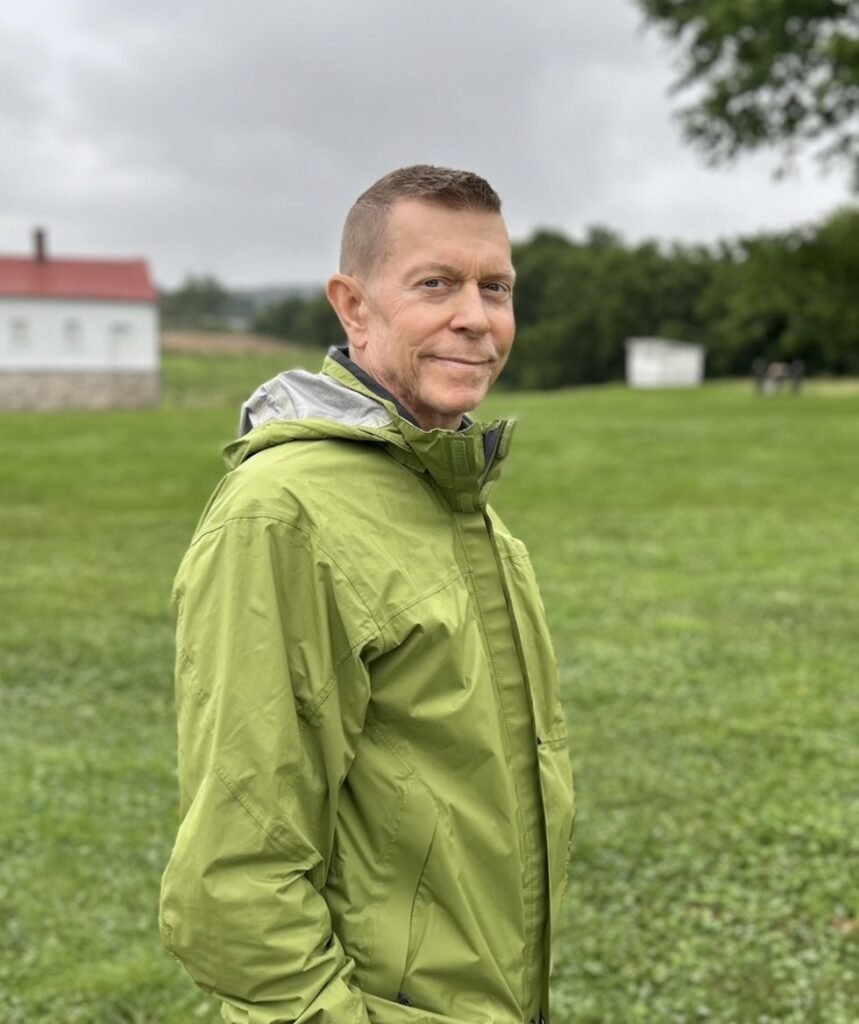
    Duane in Frederick, MD, Spring, 2025

    Duane Flemming, the only son of Charles and Doris Flemming, was born on October 5, 1960, in Bordeaux, France, and raised in Essex, Maryland. After a quiet, courageous fight, he passed away on June 7, 2026, at age 65, with his beloved husband by his side.

    Duane graduated from Calvert Hall High School in 1978 and remained devoted to his alma mater throughout his life. He proudly supported tuition assistance for STEM students, DEI initiatives, and the Augustine “Auggie” F. Miceli, Sr. AFSC Scholarship. He later attended The Citadel, a choice he described as love at first sight—especially because of Charleston, South Carolina. As a member of the Regimental Band, he played tuba and treasured his four years in the barracks. The education, discipline, and friendships he found there helped shape the patriotic, compassionate, and respectful man so many admired. From 2016 to 2019, he served as president of the Citadel Club of Greater Washington and, in 2018, was named Club President of the Year by the Citadel Alumni Association. His love for his Citadel brothers was boundless, and he remained deeply committed to the DEI initiative (now Civility and Engagement) and the Class of 1982 scholarship.

    After earning his degree in Business Administration, Duane was commissioned as an officer in the U.S. Army. His first assignment took him to Nuremberg, Germany. After returning to the United States, his Army Medical Corps career included assignments at Fort Stewart, the Presidio, and the Office of the Army Surgeon General in Bailey’s Crossroads. He rose to the rank of major before accepting a downsizing buyout and transitioning to civilian life in 1992. Determined to continue serving his country, especially fellow veterans, he spent the next 24 years with the Veterans Health Administration, helping develop, implement, and advocate for strategic policies supporting VA medical care in the nation’s largest integrated health care system. He retired in 2016 as a member of the Senior Executive Service and Director for Policy Analysis and Forecasting at VHA. After 34 years of distinguished federal service, he continued his work as a Lead Associate at Booz Allen Hamilton, providing subject-matter expertise in veterans’ health policy and health care utilization.

    To his neighbors, Duane was friendly, witty, and kind. He enjoyed BYOB chats and Thirsty Thursdays and served on the condo board for three years, through this February, where he was known as a steady voice of reason. To his friends, he was inclusive, generous, and loving. He delighted in sharing his passion for cycling and freely admitted to the many hours he spent watching the Tour de France. To his beloved husband, he was a rock, a North Star, a light, and a source of unwavering support. Together, they shared 26 treasured years filled with books, music, opera, musicals, food, wine, and, above all, travel. To his parents, he was their pride and joy. To his uncle and aunt, he was truly like a son. He cared for all four of them without hesitation even as his own health declined. His love for them never wavered. Duane was one in a million—patient, quietly confident, and endlessly selfless. A devout Catholic, he never imposed his faith on others, including his husband; instead, he led by example. He valued diversity, believed deeply in inclusion, and understood that bringing people together makes the whole greater than the sum of its parts. He would want us to live with the same generosity, humility, and love that guided his 65 years.

    Duane was predeceased by his loving parents, Charles and Doris Flemming. He is survived by Ivan Cheung, his husband of 12 years and life partner of 26 years.

    Arrangements

    • Visitation was held on Saturday, June 13, 2026, from 1–5 p.m. at Everly Funeral Home, 6161 Leesburg Pike, Falls Church, VA 22044.
    • A Celebration of Life will take place in Arlington, VA, on October 4, 2026, from 5-8pm. Contact Ivan for details.
    • A Military Honors Columbarium Inurnment at Arlington National Cemetery is being arranged for a later date. Per ANC, it will likely take 12 to 14 months to arrange.

    Donations

  • Broken Heart

    This piece was written and posted on Facebook on June 8, 2026, the day after my beloved Duane left this world. I am placing it here because it was straight from my broken heart.

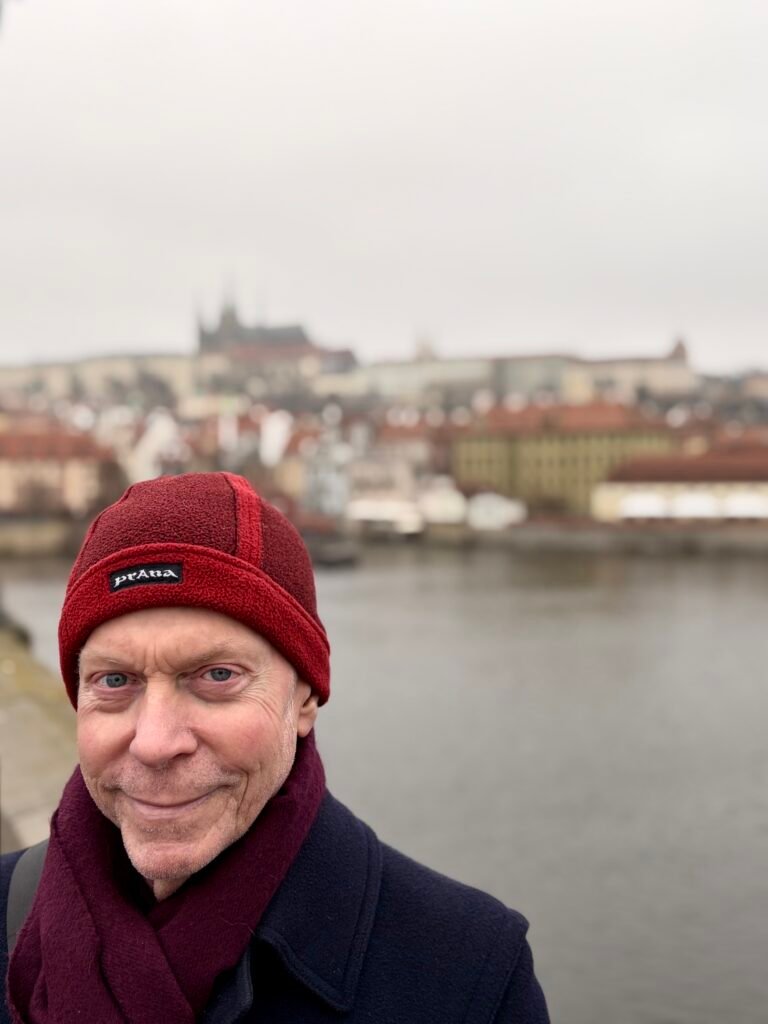
    Prague, Czechia, December 2026

    The most wonderful 26 years of my life’s journey came to an end yesterday, June 7, 2026. I am heartbroken and devastated, yet I find peace and comfort in knowing that he is no longer struggling or suffering. It was difficult to say, “It’s okay to go and be with God,” knowing how deeply I will miss him and not knowing what will become of me, but that pain was nothing compared with watching what he endured as the disease progressed.

    He fought two battles for almost seven years: first with multiple myeloma, which he overcame, and then with an aggressive form of myelodysplastic syndrome. In round two, he fought with all his might, enduring seven rounds of oral chemotherapy and then a donor stem cell transplant. He was so close to victory, but MDS reared its ugly head again about three weeks ago. His condition deteriorated so rapidly that he visibly aged 20 years in the last 10 days. He was admitted to Johns Hopkins Hospital last Friday, and he was gone within about 36 hours as MDS progressed to acute myeloblastic leukemia (AML).

    He was loving, kind, considerate, gentle, generous, and genuine. I know how deeply he loved his mom and dad, and Uncle Bob and Aunt Kay, all of whom lived well into their 90s. I witnessed how selflessly he sacrificed to care for them. He took care of his mom while battling MM and then cared for his aunt while struggling with MDS. He never complained. He generously shared his time and resources with the community. He was proud to have attended Calvert Hall and, needless to say, The Citadel. At The Citadel, he met his lifelong brothers. I am grateful that you all were part of his life; he spoke so highly of you. I also want to thank you personally for the love and support you have given me over the last two days.

    He served his country proudly, first as a commissioned officer in the Army and later in the Senior Executive Service at the Department of Veterans Affairs. He served first as a soldier and then served his fellow veterans. That is devotion and patriotism. In the last few years, he also served on our condo board. It was an absolutely thankless job, but he generously gave his time, expertise, and professionalism. In his 65 years, he made an impact on so many people. The world was a better place with him in it.

    Duane was the best thing that ever happened to me. We met online in the dial-up bulletin board era. Is Gay.com still around? We had our first date in January 2000. By July, I had moved in, and by Thanksgiving, we had adopted our beloved Murphy. We experienced so much in just 26 years. He loved my big, loud family, and they loved him back. Why? Because they knew he was good to me and good for me. He always encouraged me, gave me the freedom to grow, and supported me no matter what crazy endeavors I got myself into—traveling to gay volleyball tournaments, “participating” in 14 of my 18 marathons, cheering me on during a half-Ironman and plenty of more reasonable-distance races, and volunteering at the DCFR Pride Run 5K bag check with a smile. He loved me and was proud to call me his husband. He nurtured me and built me up with his kindness and love. I am who I am because of him.

    We wanted 26 more years. We had seen quite a bit of the world, but as he achingly told me two nights ago, “I wish we could see more together.” We wanted to grow old together. But God had a different plan for him. We agreed that we got quality, if not quantity. I was holding his hand when he took his last breath. When his heart stopped, he was staring at me. I closed his eyes, kissed his forehead, and said, “I love you.” I swear he twitched his lips and then gave the slightest smile. I took that as a sign that he was finally at peace, with all the pain and suffering gone.